Elevi
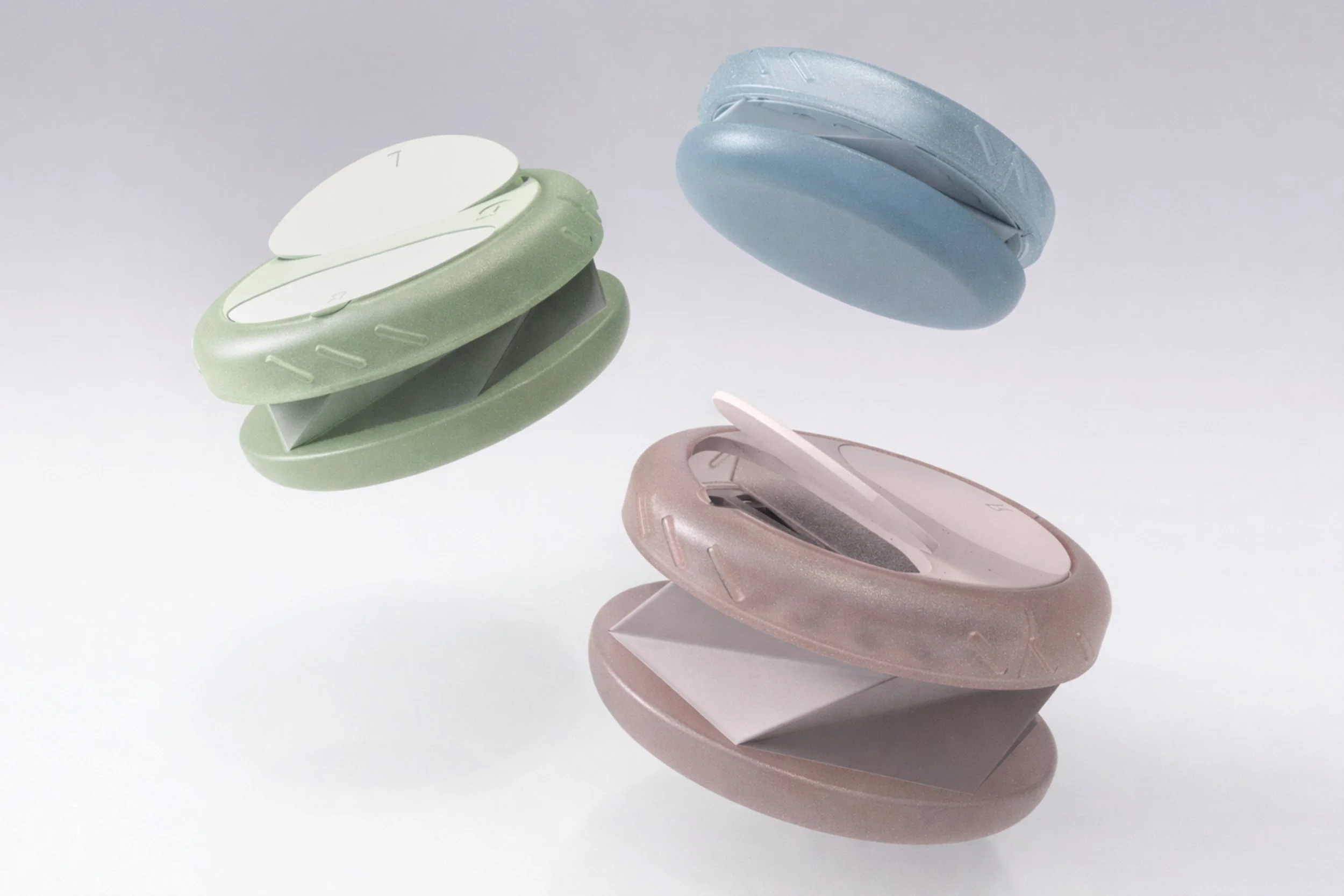
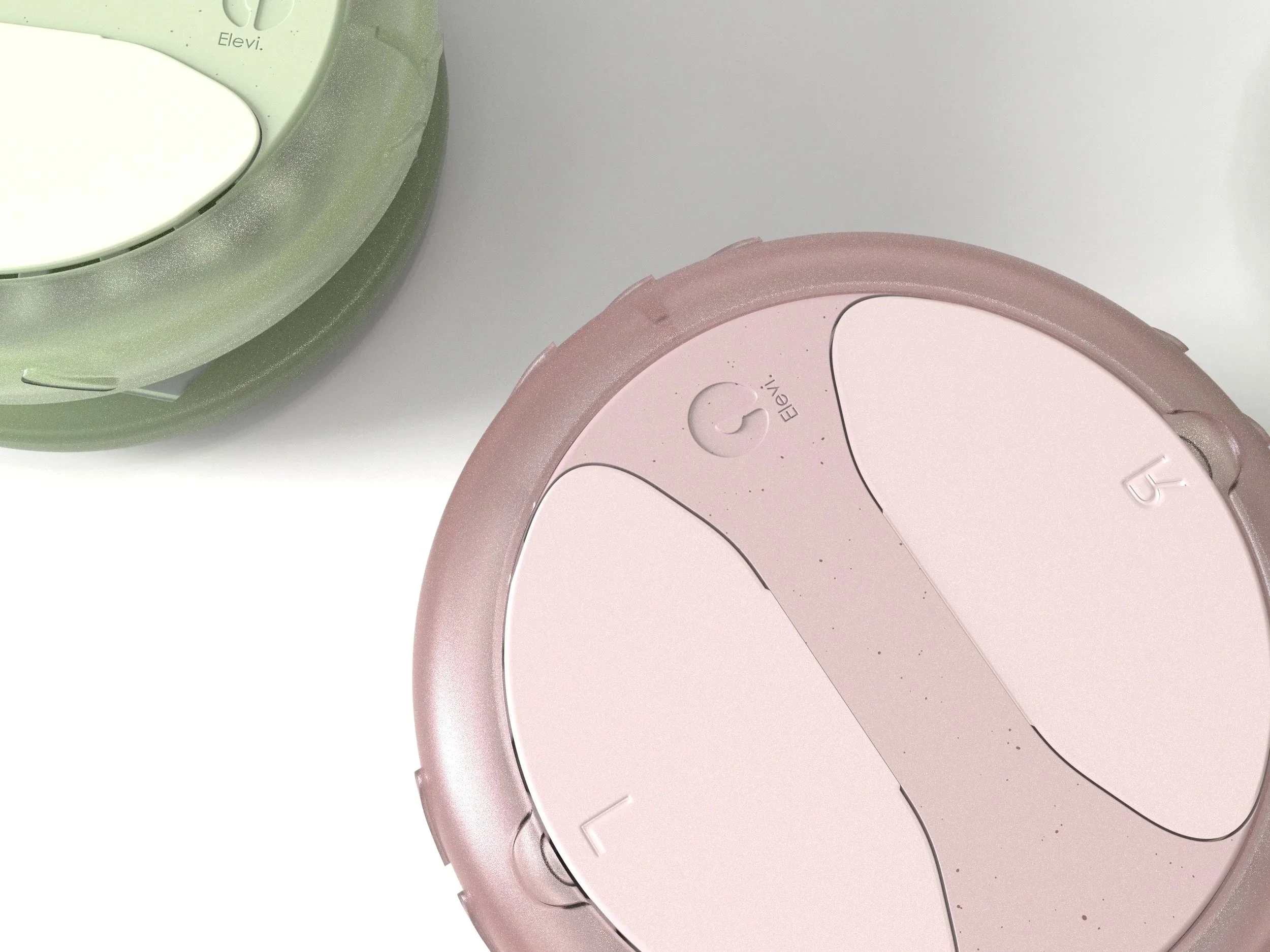
A simplified contact lens case system designed to reduce unnecessary parts, improve daily use, and lower environmental impact.
Sustainable Design | Product Design | Life Cycle Analysis | Problem Solving
Spring 2026
Elevi
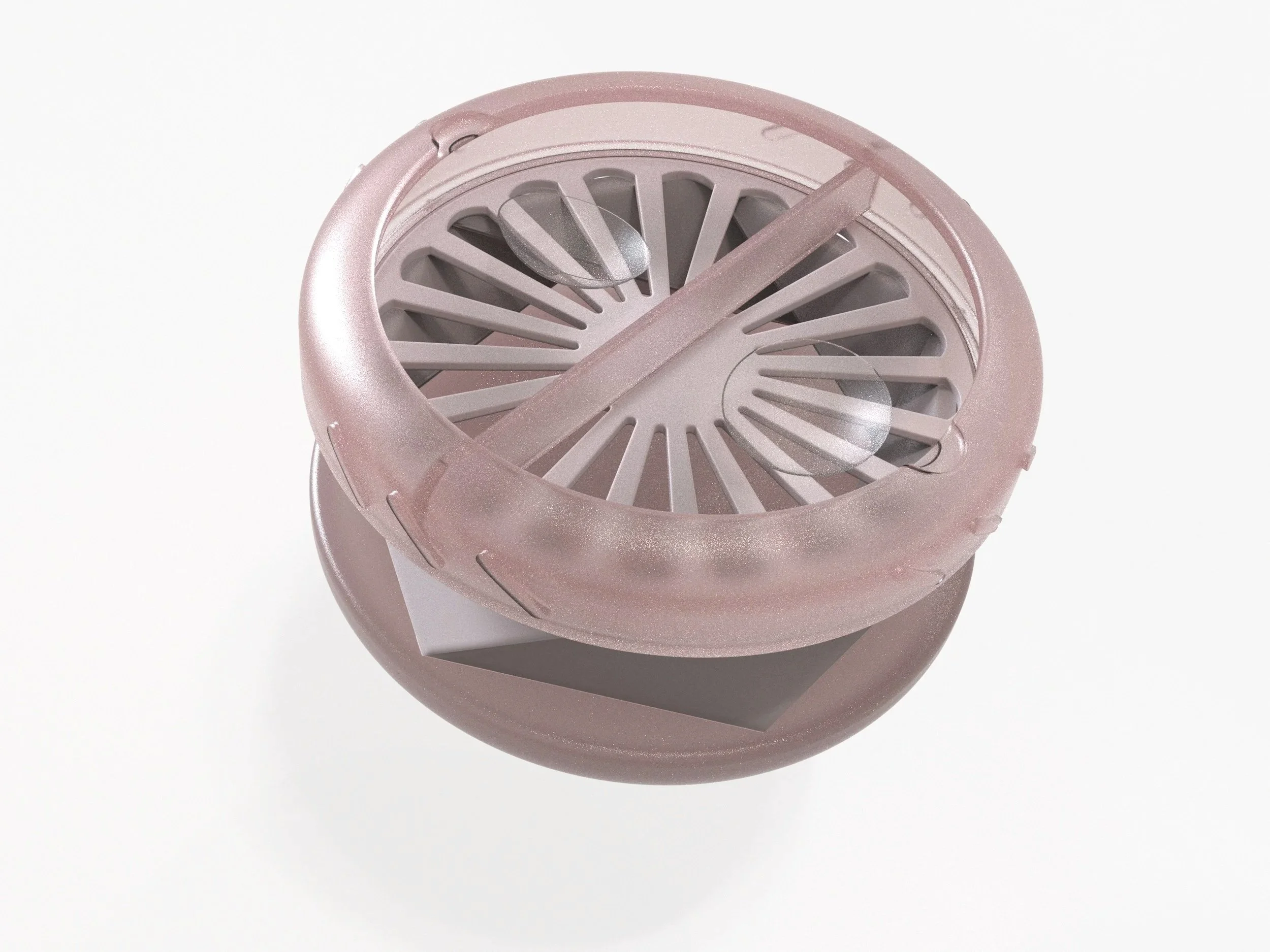
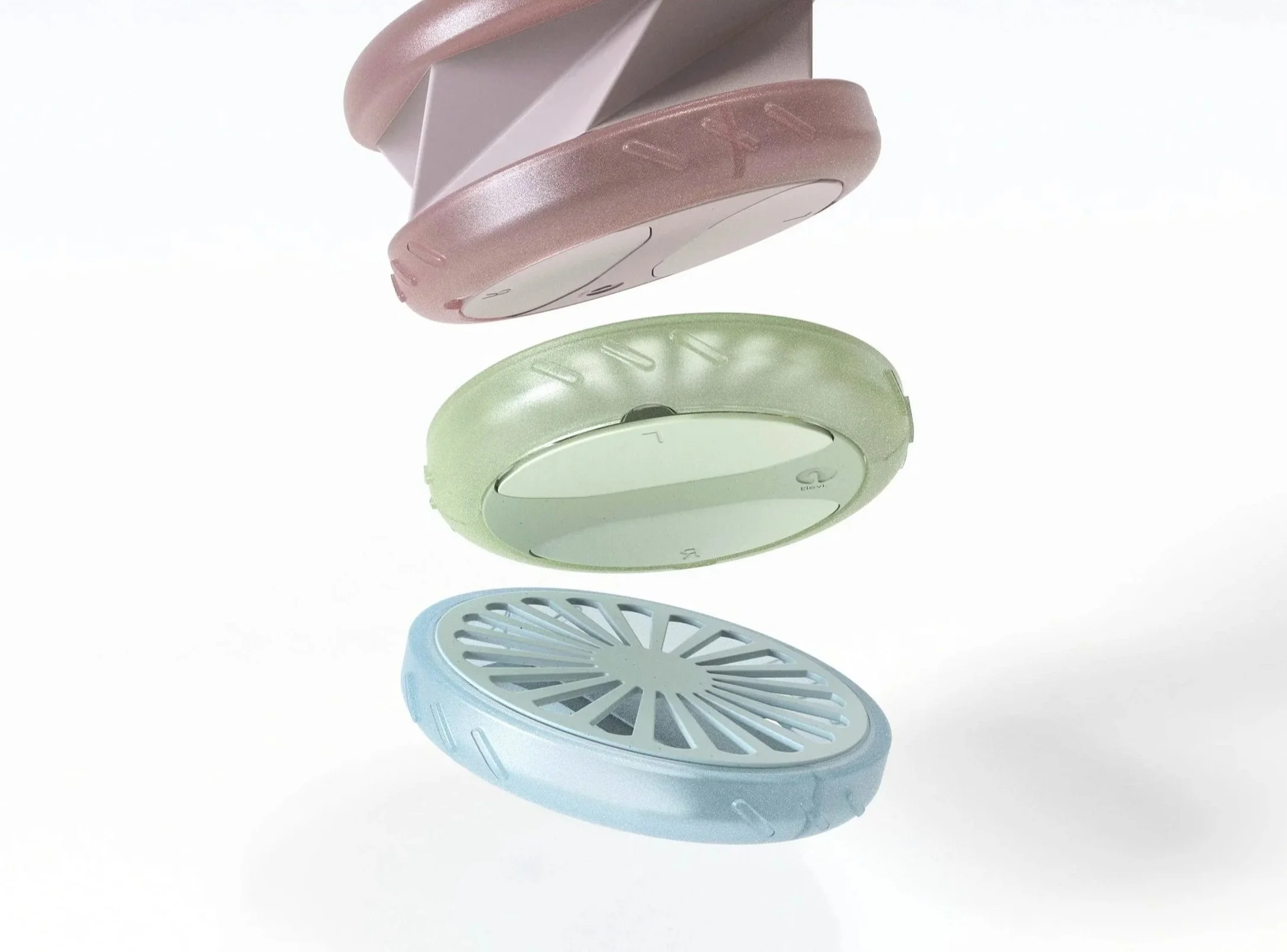
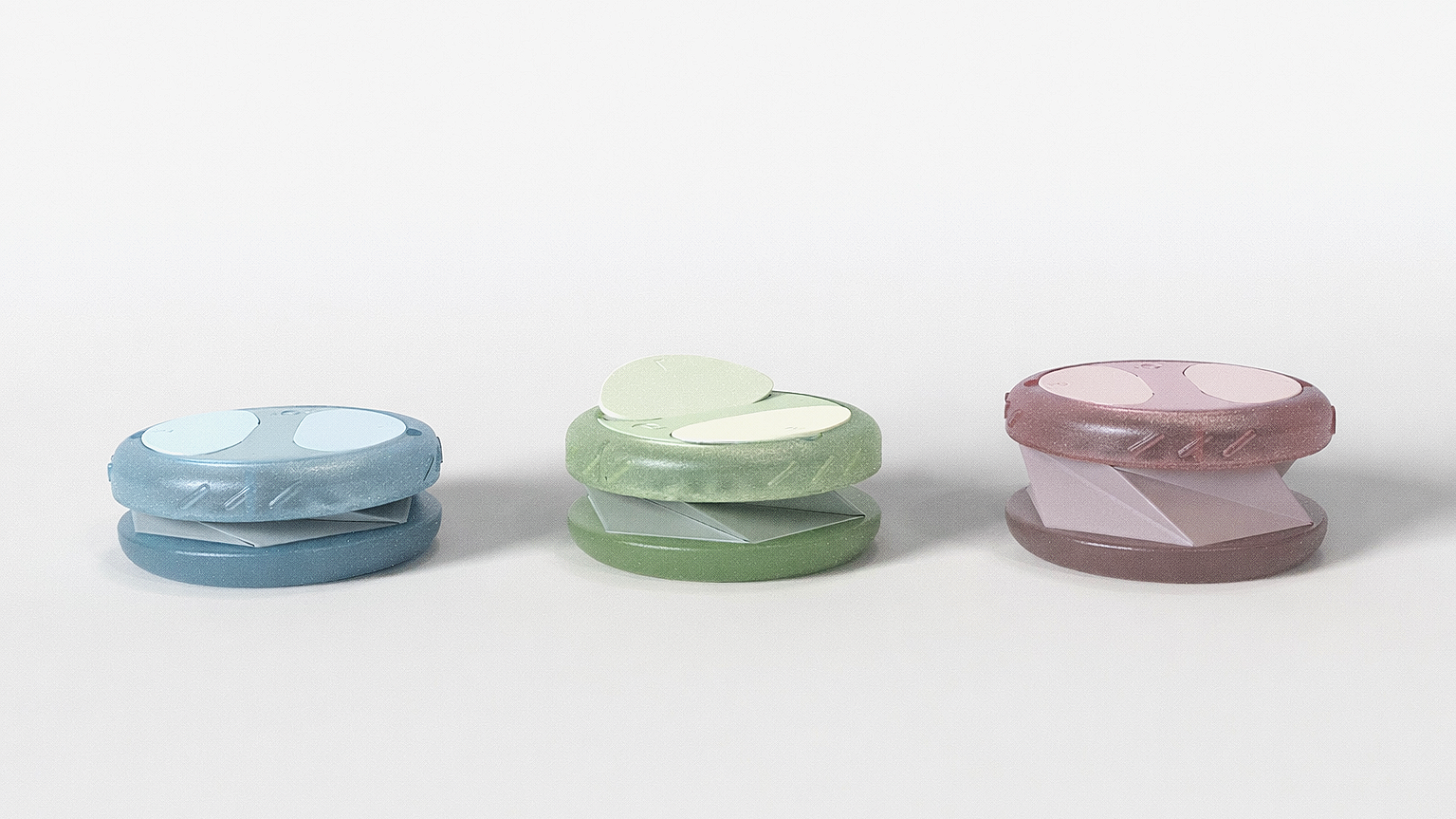
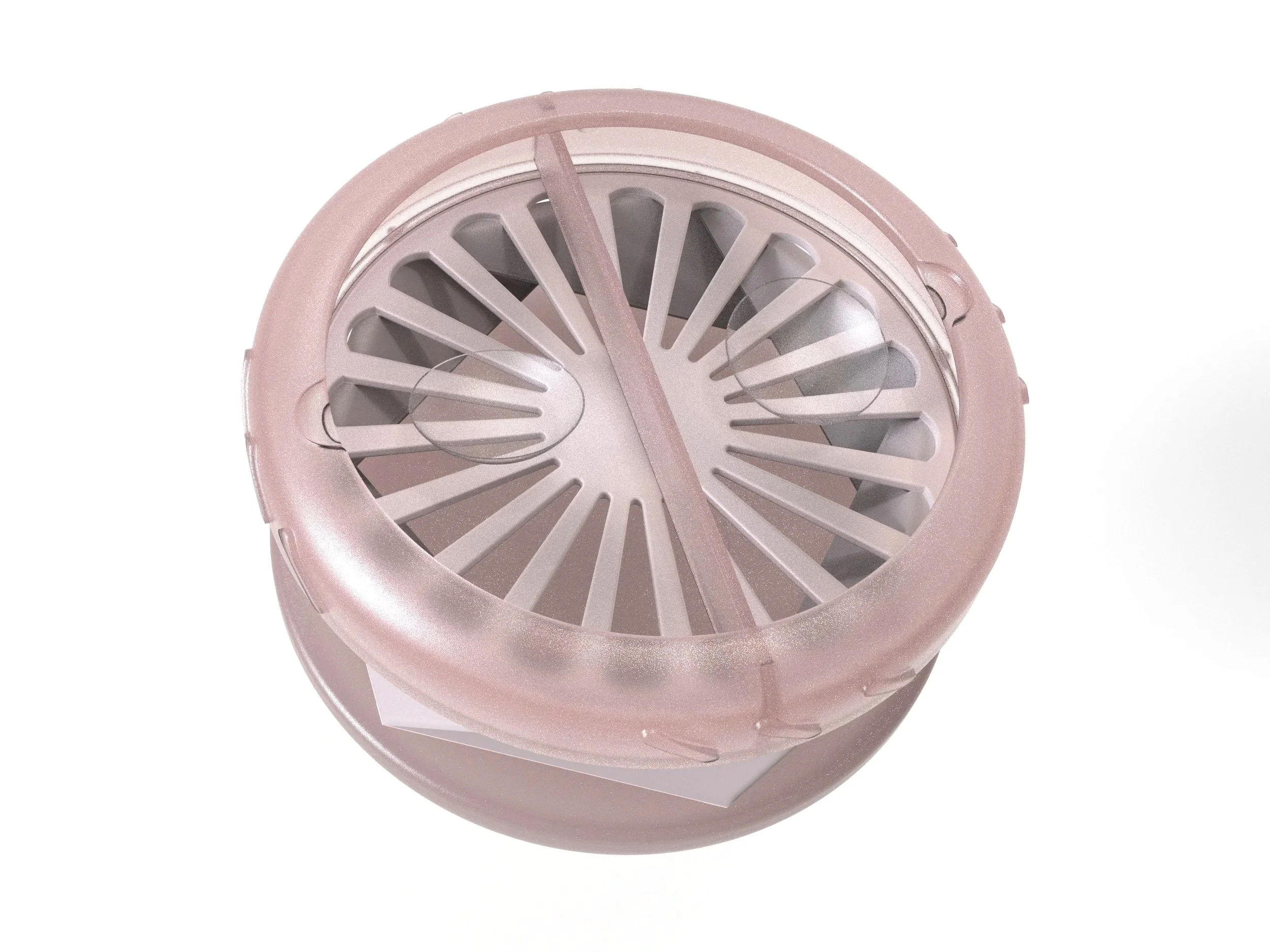
stores your lenses the way they should be stored — fully submerged, protected, ready.
When you're ready to use them,
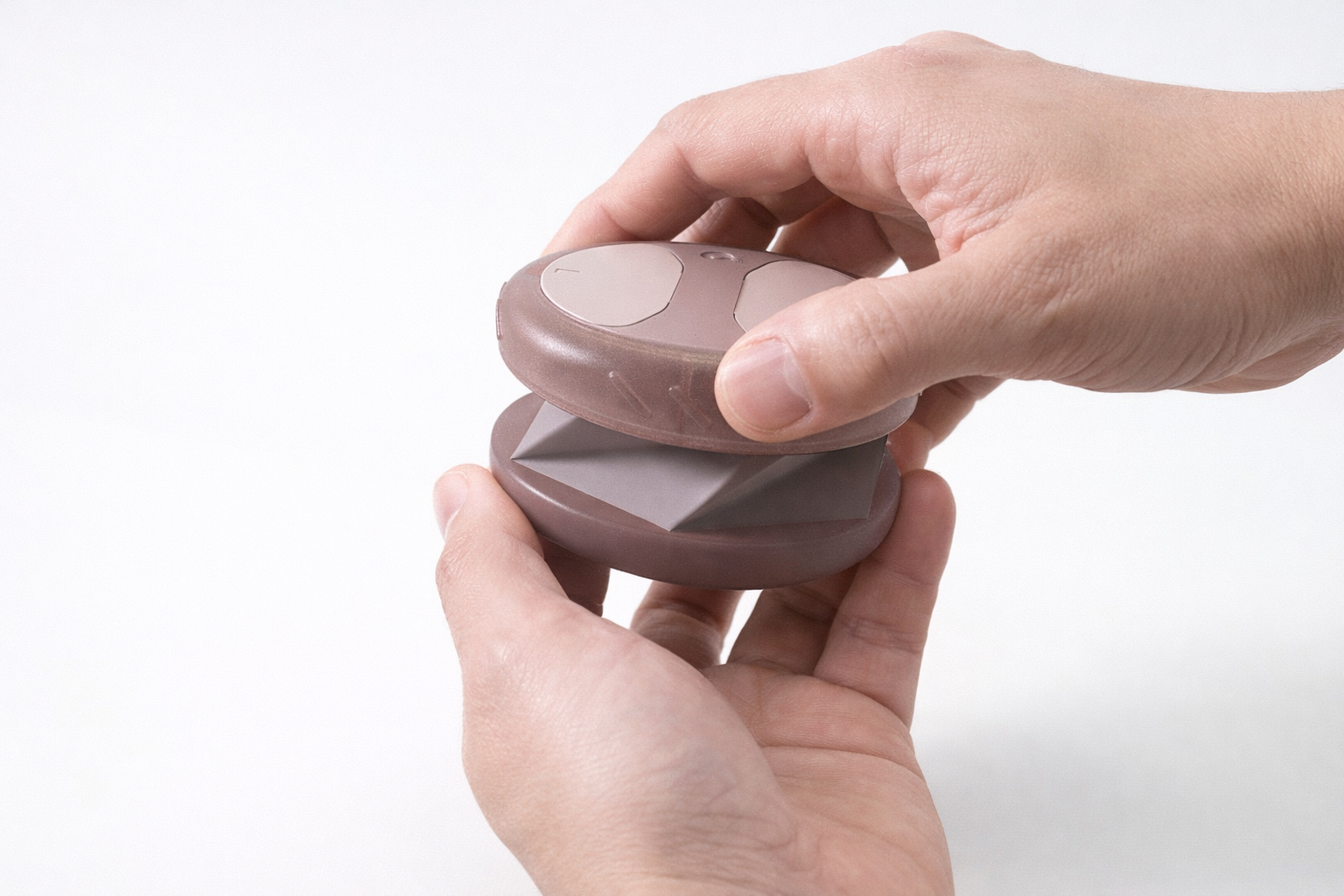
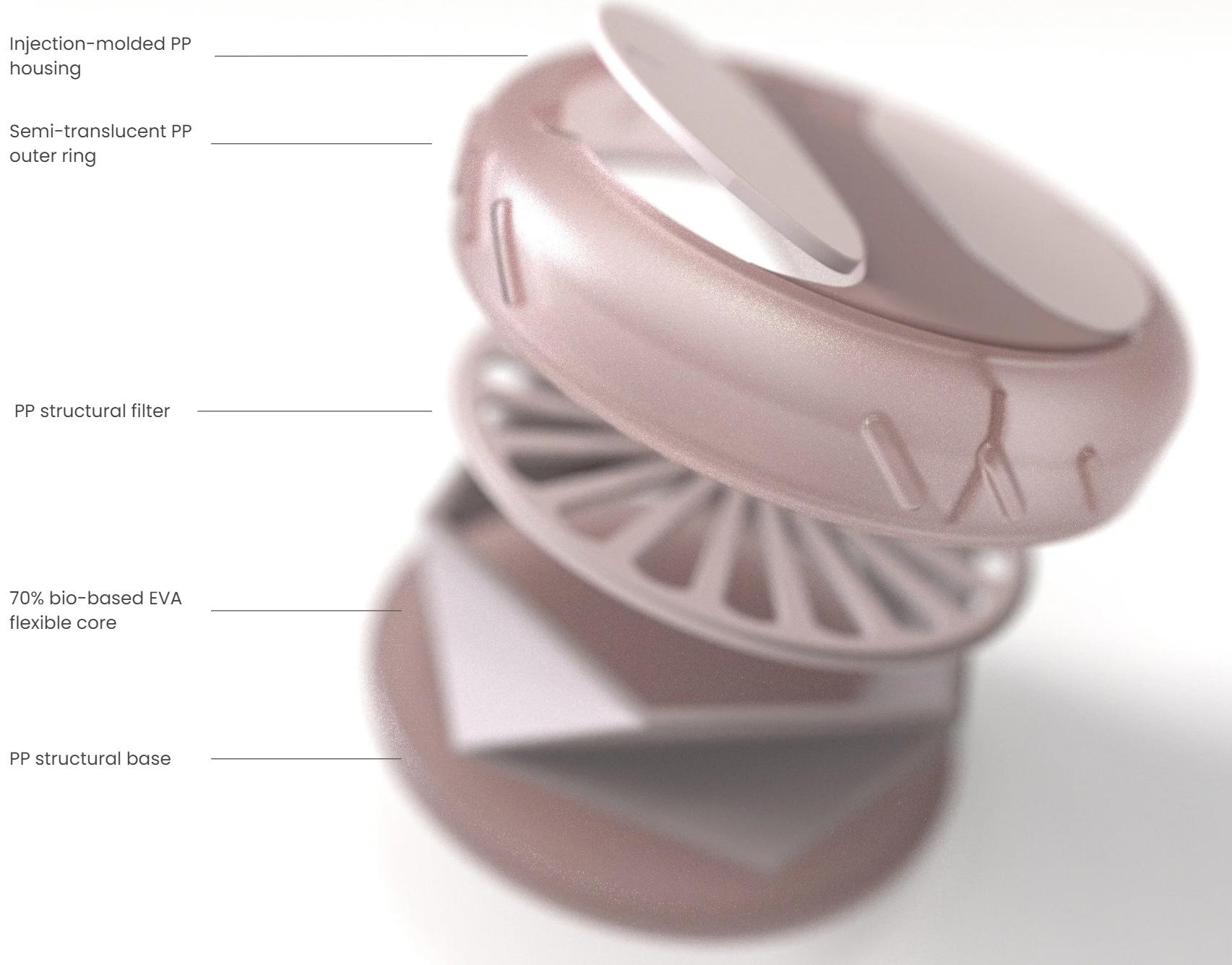
twist the base. The chamber expands.
The fluid level drops. Your lens sits dry on the filter, waiting.
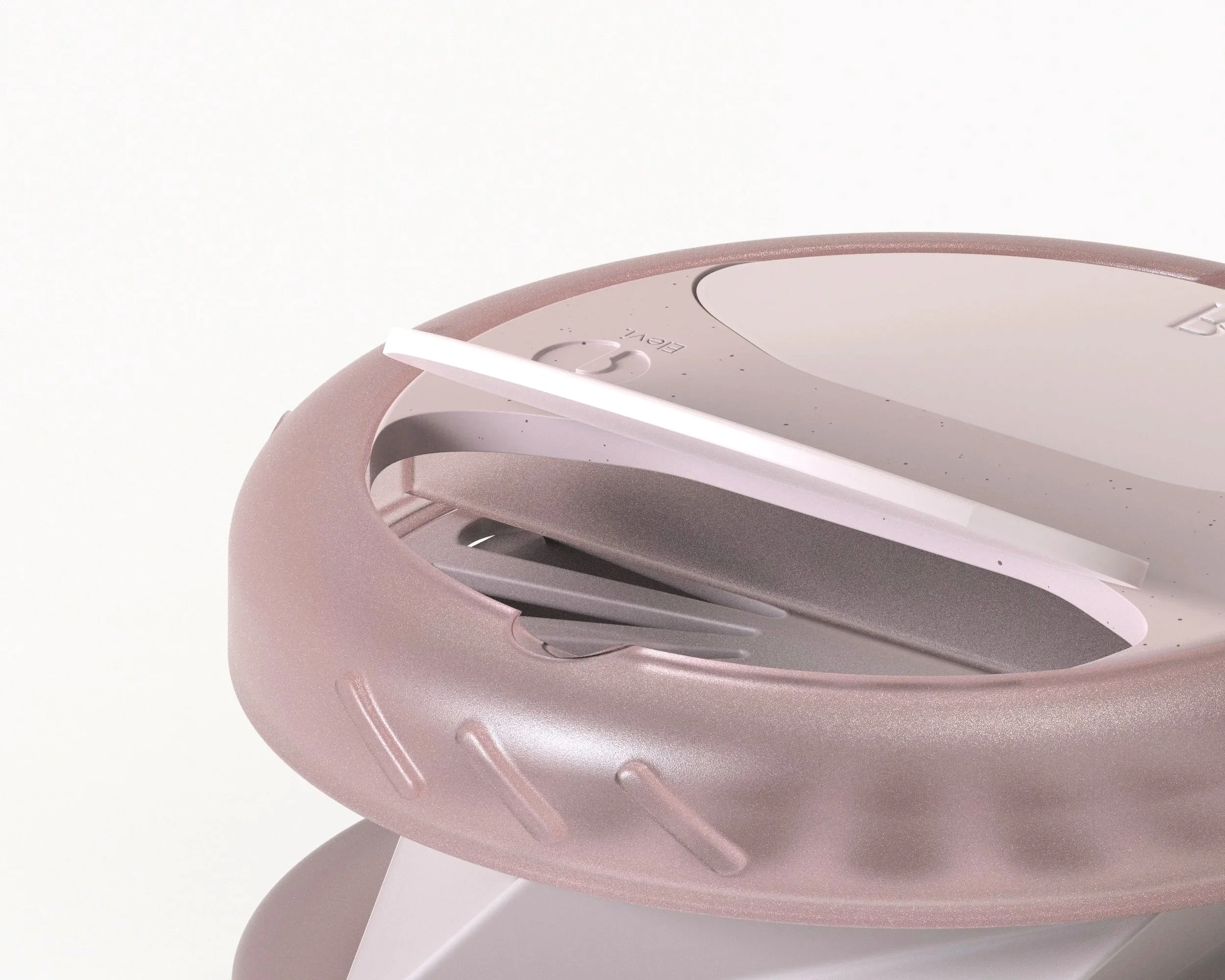
Open the lid. Pick it up. Done.
How It Works
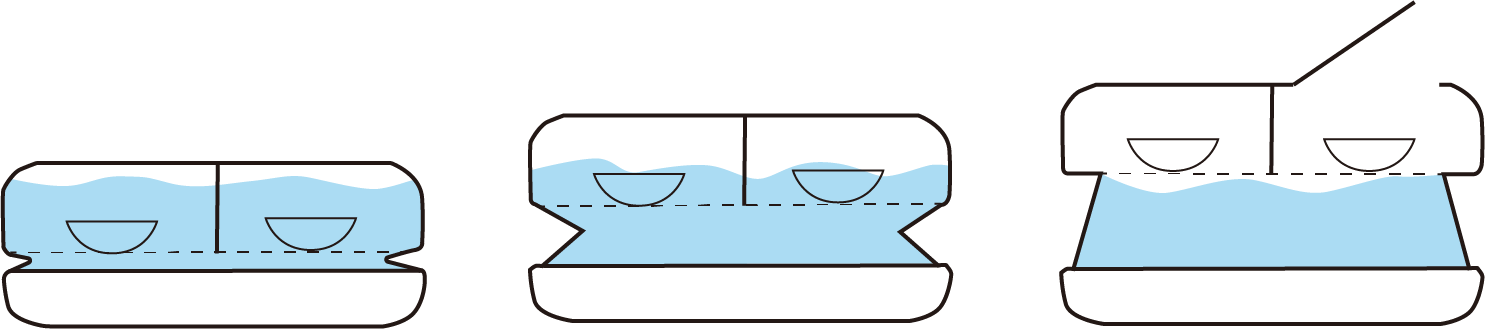
IN USE
Twist base — chamber expands.
Volume increases, fluid level drops.
Lens emerges dry on the filter.
Open lid. Retrieve directly.
STORED
Chamber compressed.
Fluid fills the space.
Lens stays hydrated.

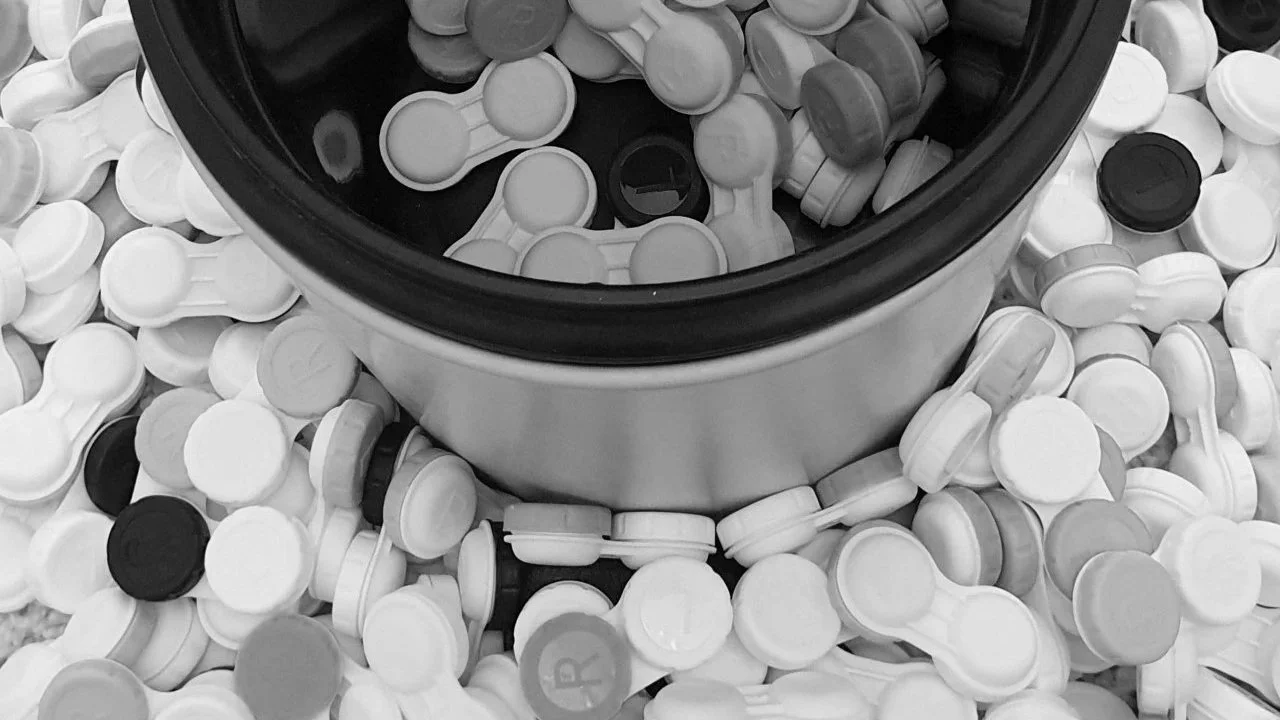
Contact lens care is a repeated daily routine used by millions of people. Although the product is small, it combines plastic parts, water-based cleaning, and frequent replacement, creating a much larger impact over time.
Why It Needed to Change
A small product. A system-scale problem.

45 million contact lens wearers in the U.S.
Small products can create large impact at scale
Water, plastic, and disposal are all part of the system
What was wrong
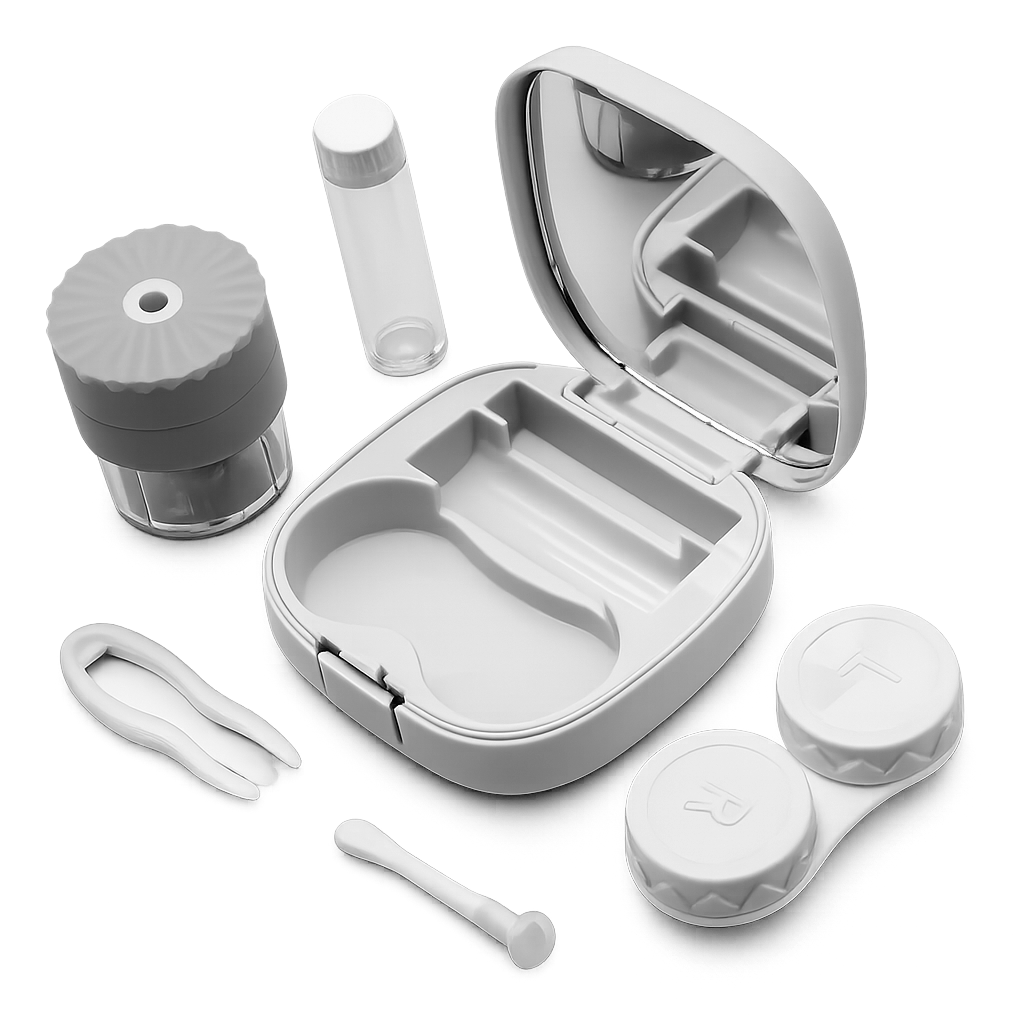
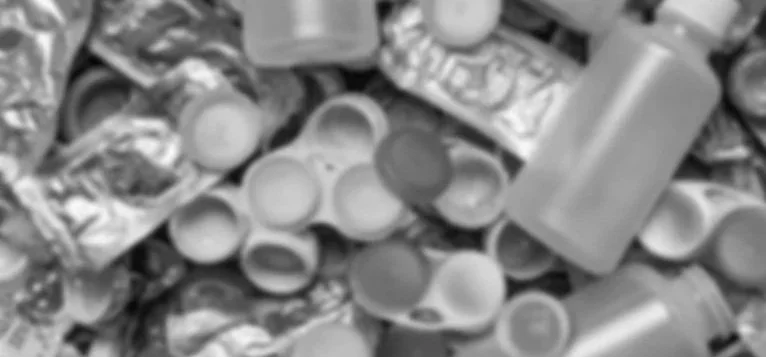
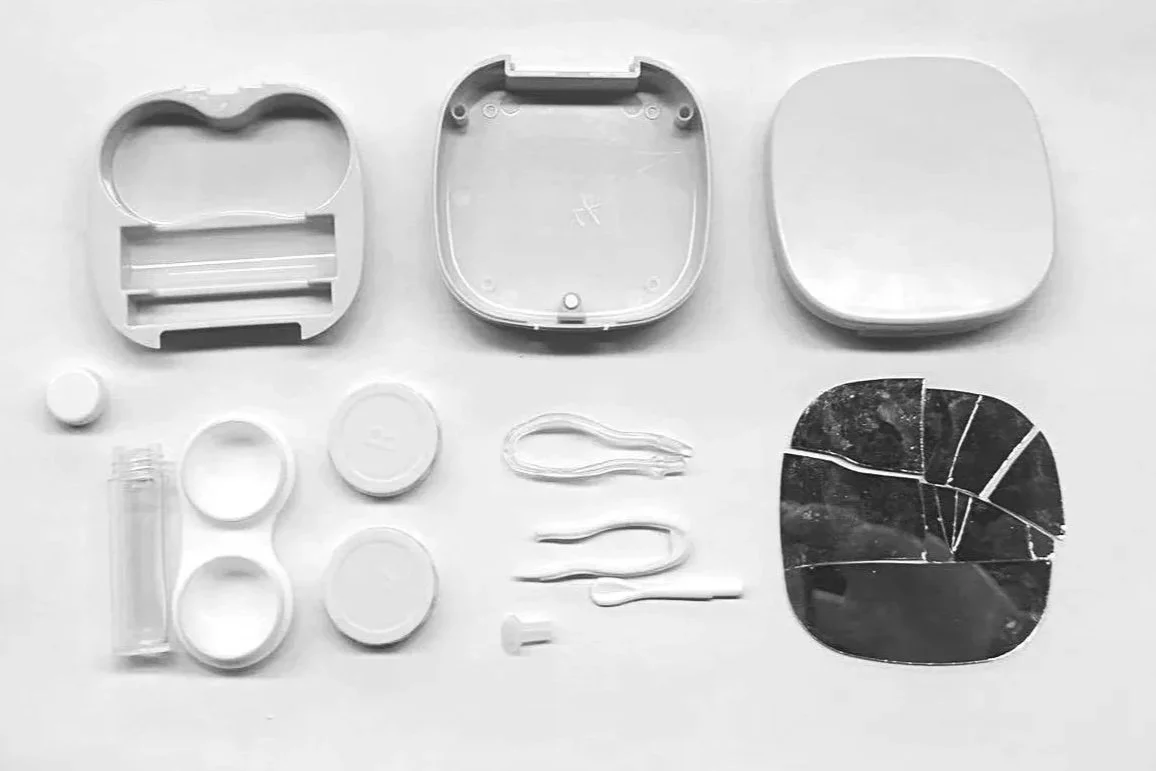
Current contact lens kits rely on too many small accessories and awkward handling steps. They often feel messy to use, difficult to clean well, and unrealistic to recycle in everyday life.
too many parts
messy retrieval
hard to clean
poor end-of-life
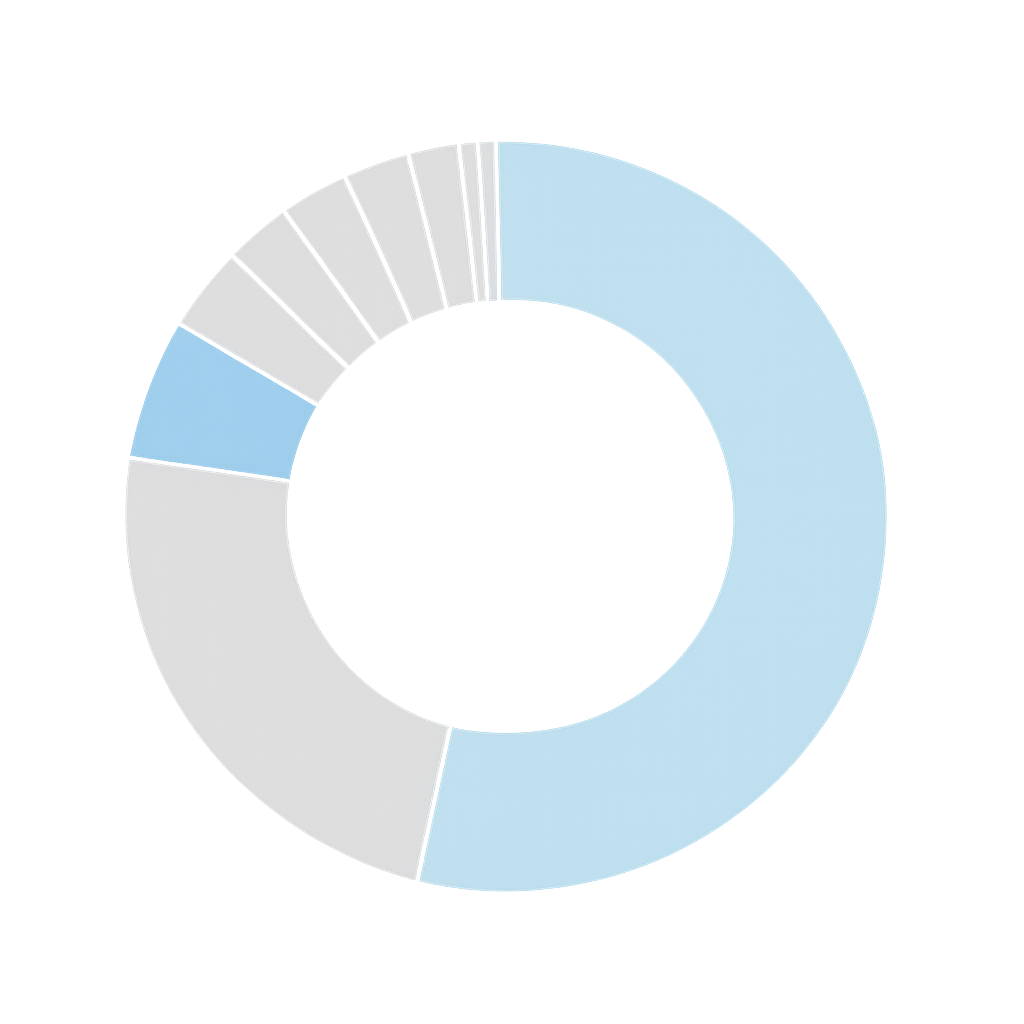
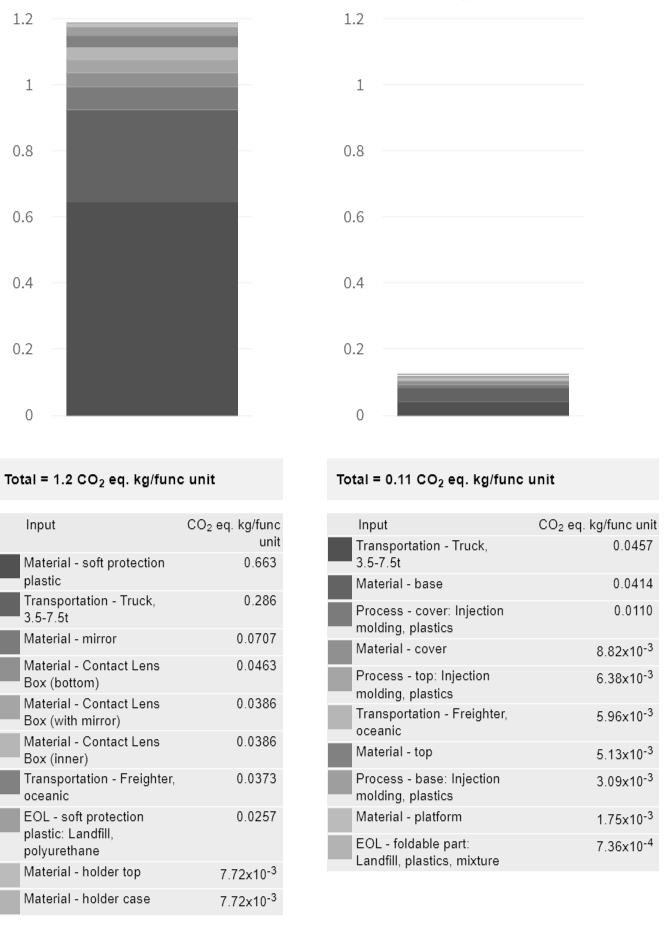
Impacts by SBOM inputs: Carbon footprint
54.3%
5.8%
Soft Material on Tools
Mirror
Rethinking what is actually necessary
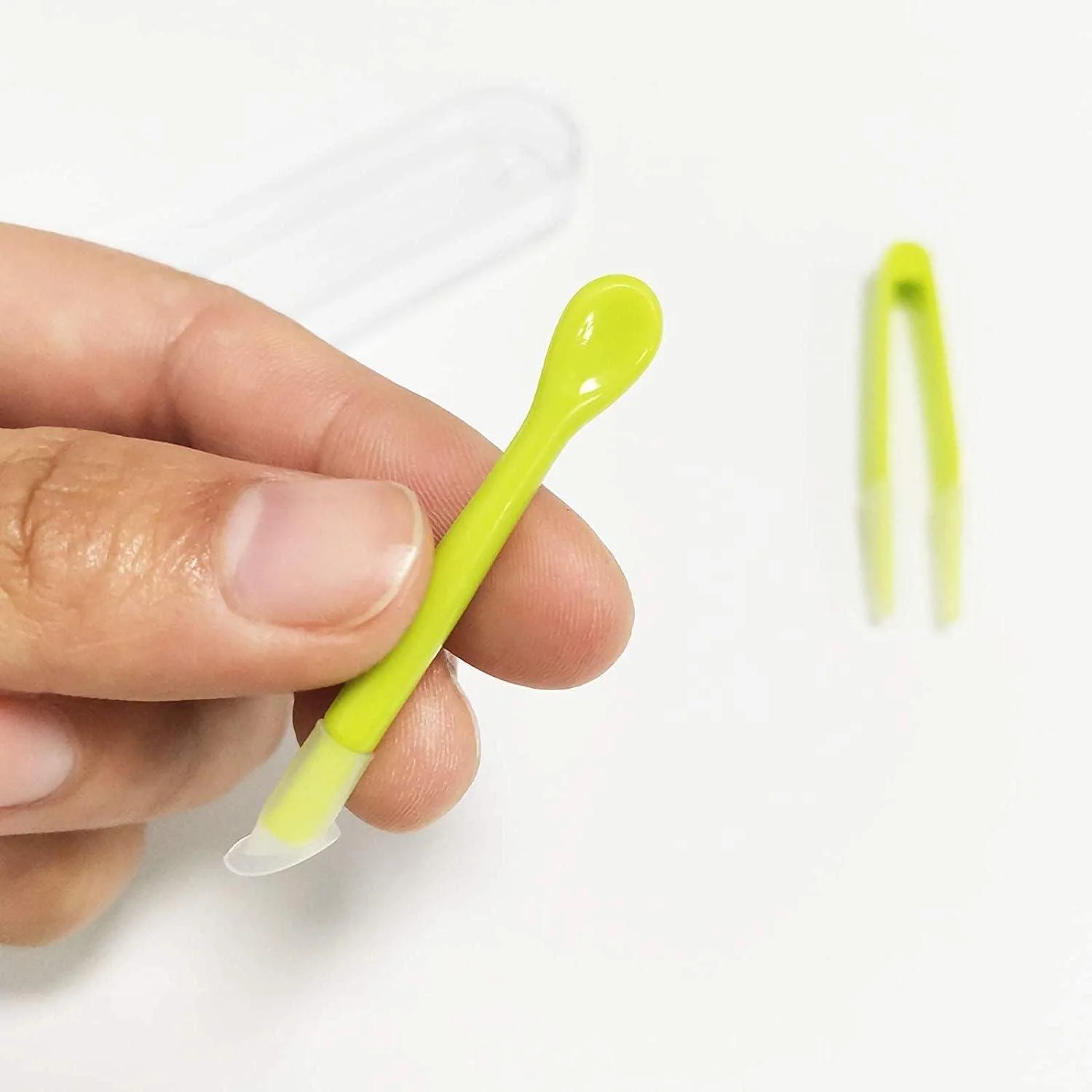
Applicator
Adds steps and material, while many users already rely on their fingers.
That finding shifted the project from redesigning the case to questioning the kit itself. Which parts were truly essential, and which were simply inherited conventions?
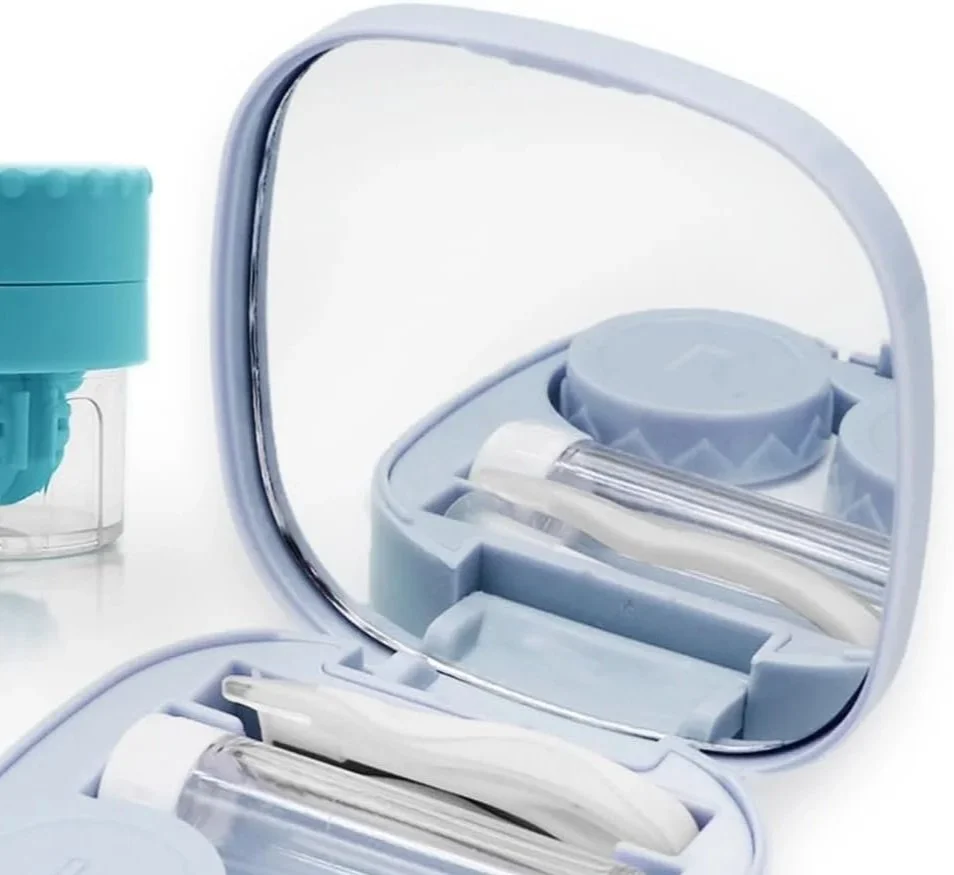
Mirror
Adds bulk and extra material, even though mirrors are usually already available.
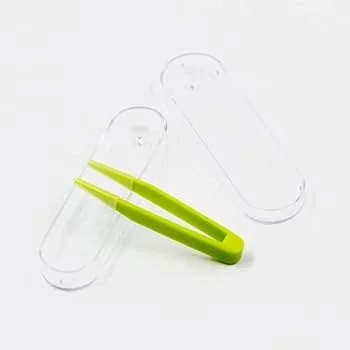
Tweezer
Raised the core design question: could the case itself take over this function?
Design Process
The answer didn't arrive immediately. It came through three rounds of testing
and the discipline to keep removing things.
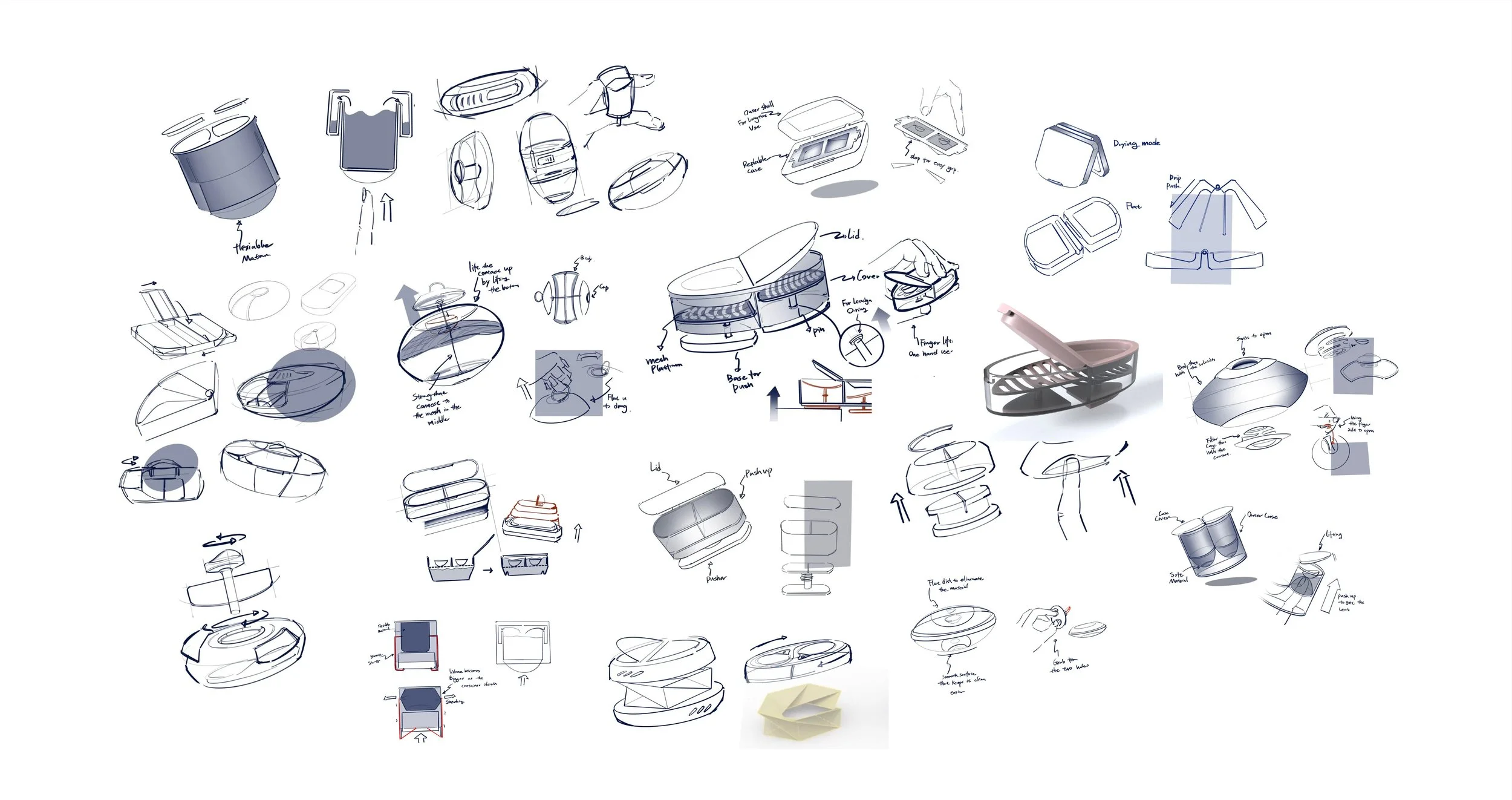
Sketch / Exploration
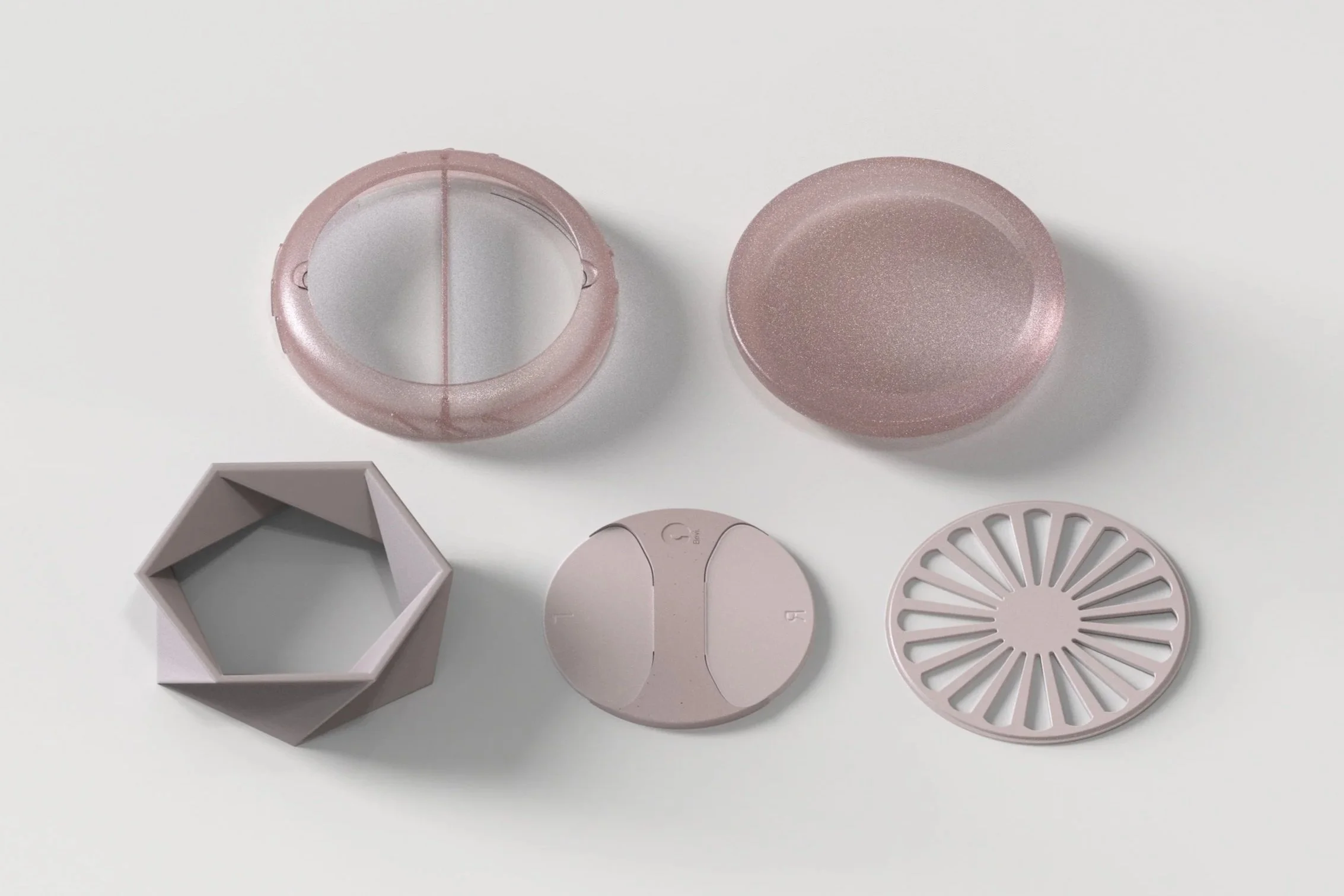
Started by breaking down the traditional kit and questioning which parts were actually necessary. Early sketches explored how the case itself could take over the function of those removed tools.
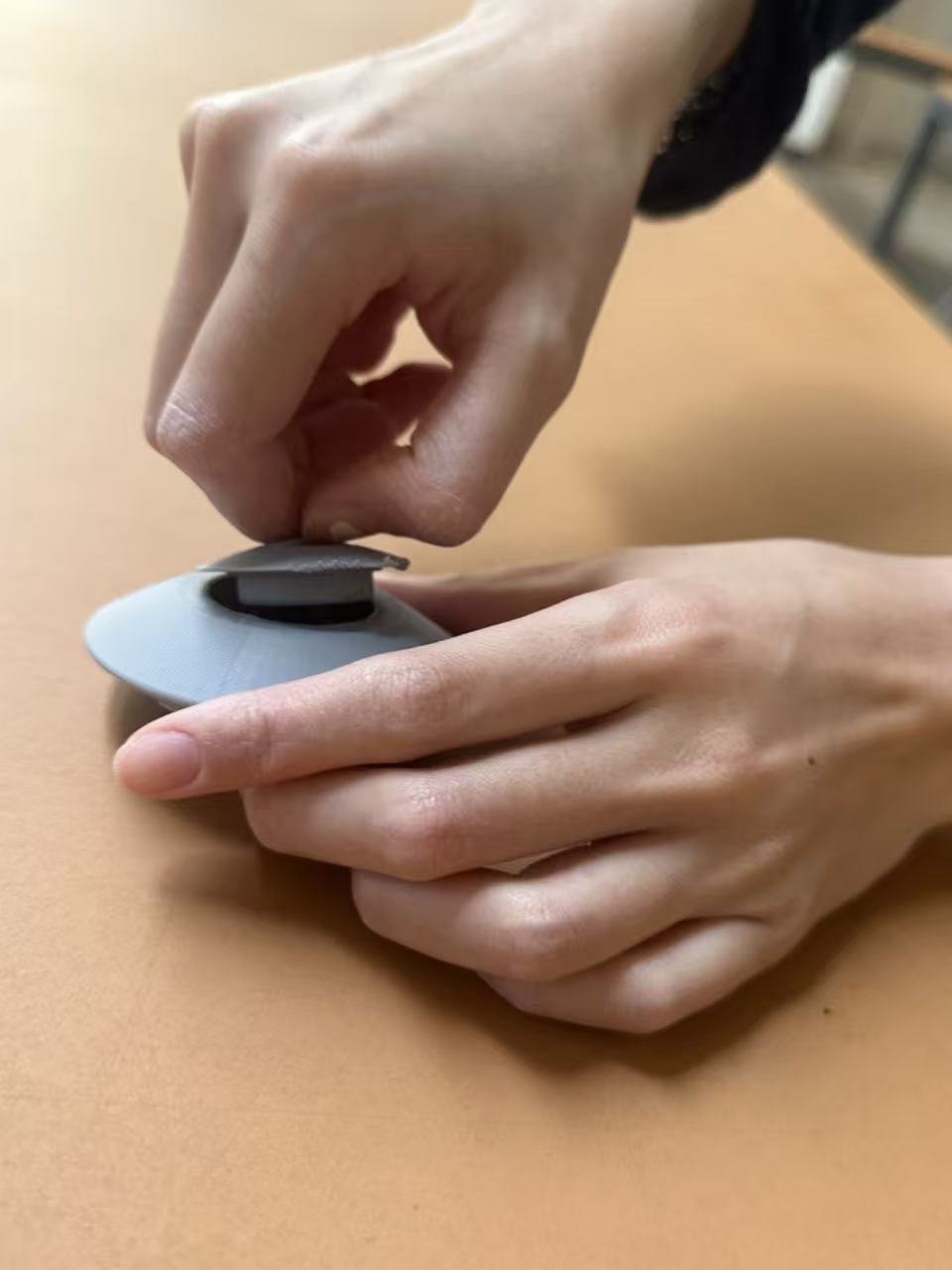
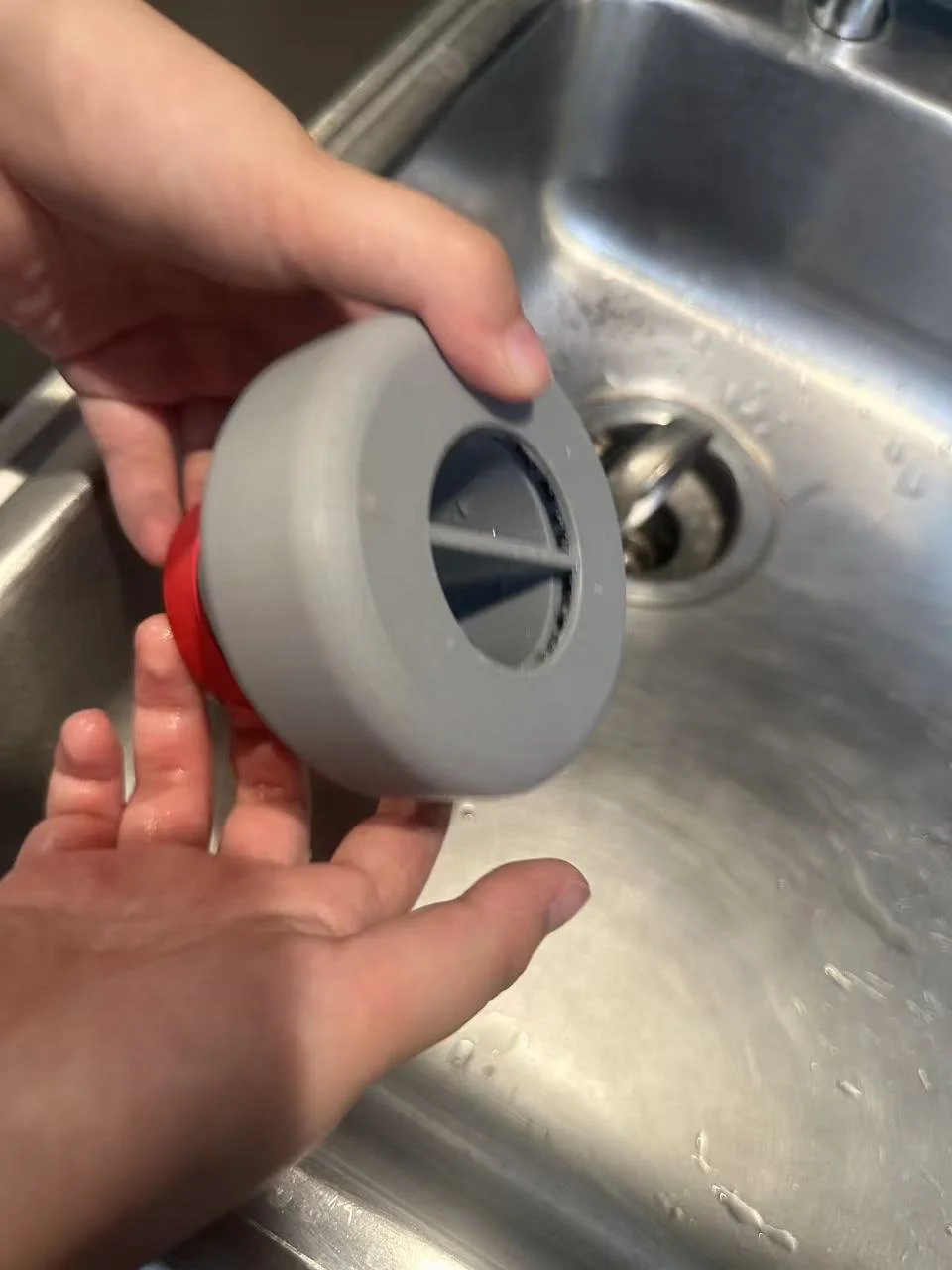
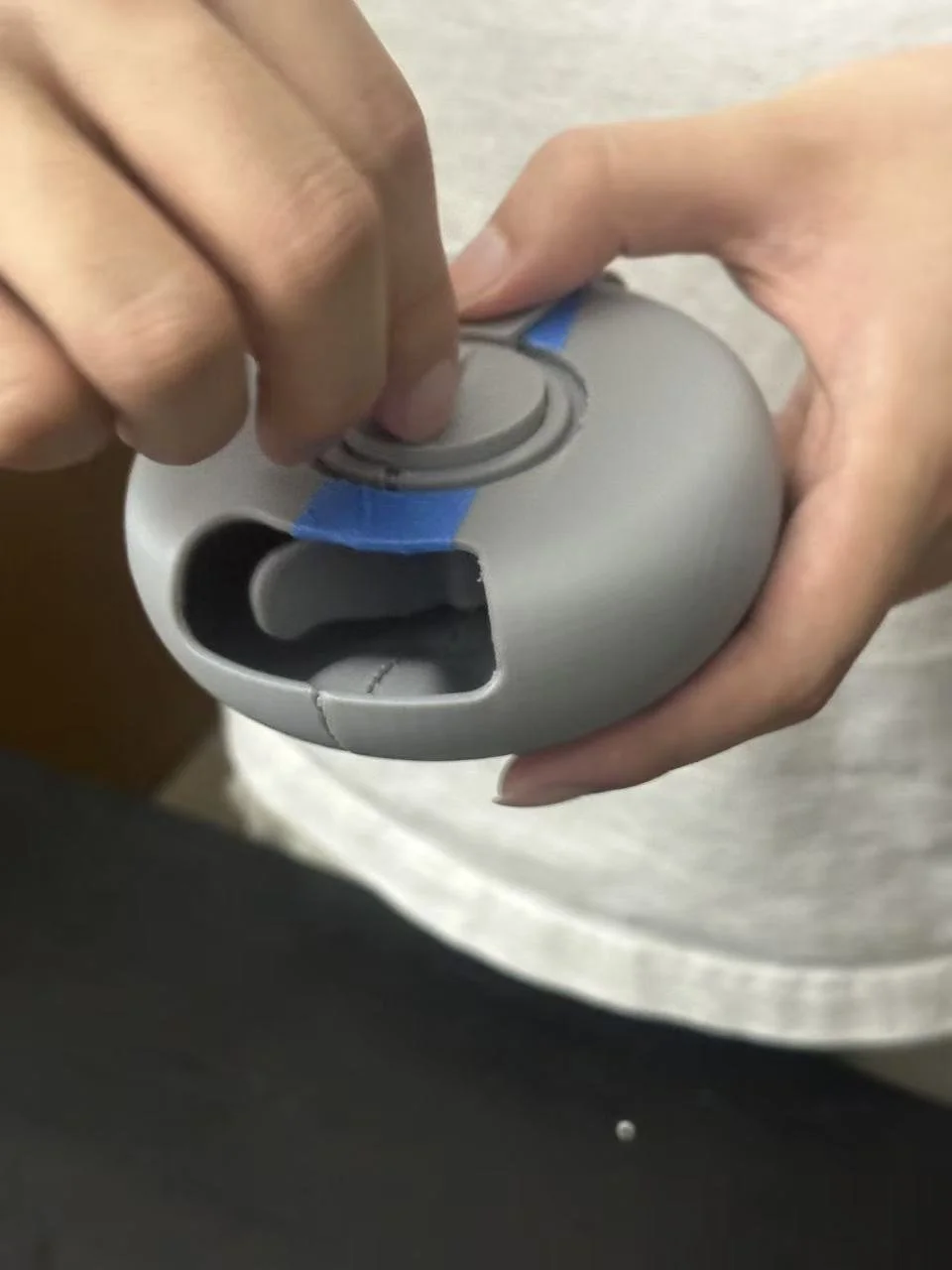
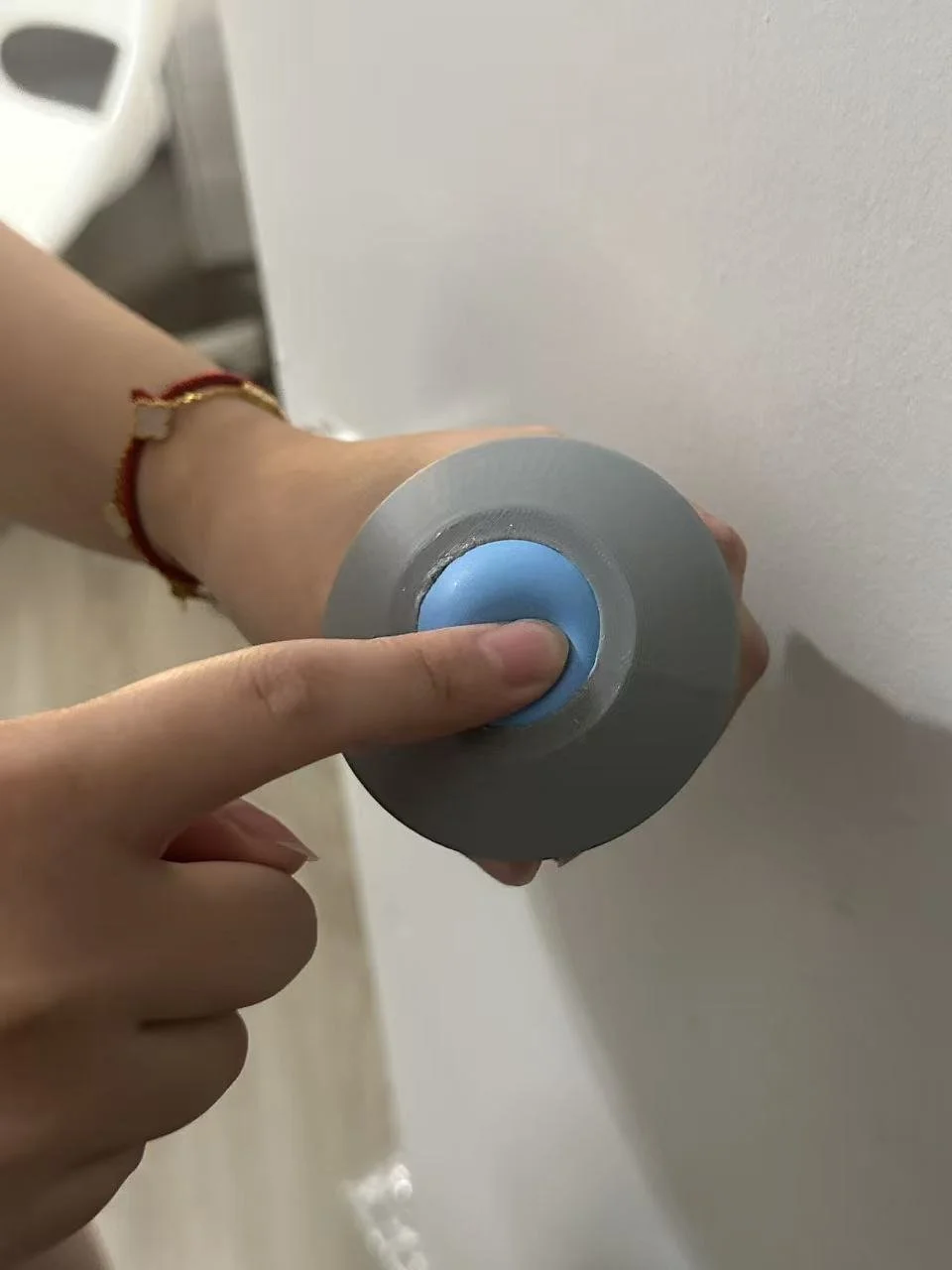
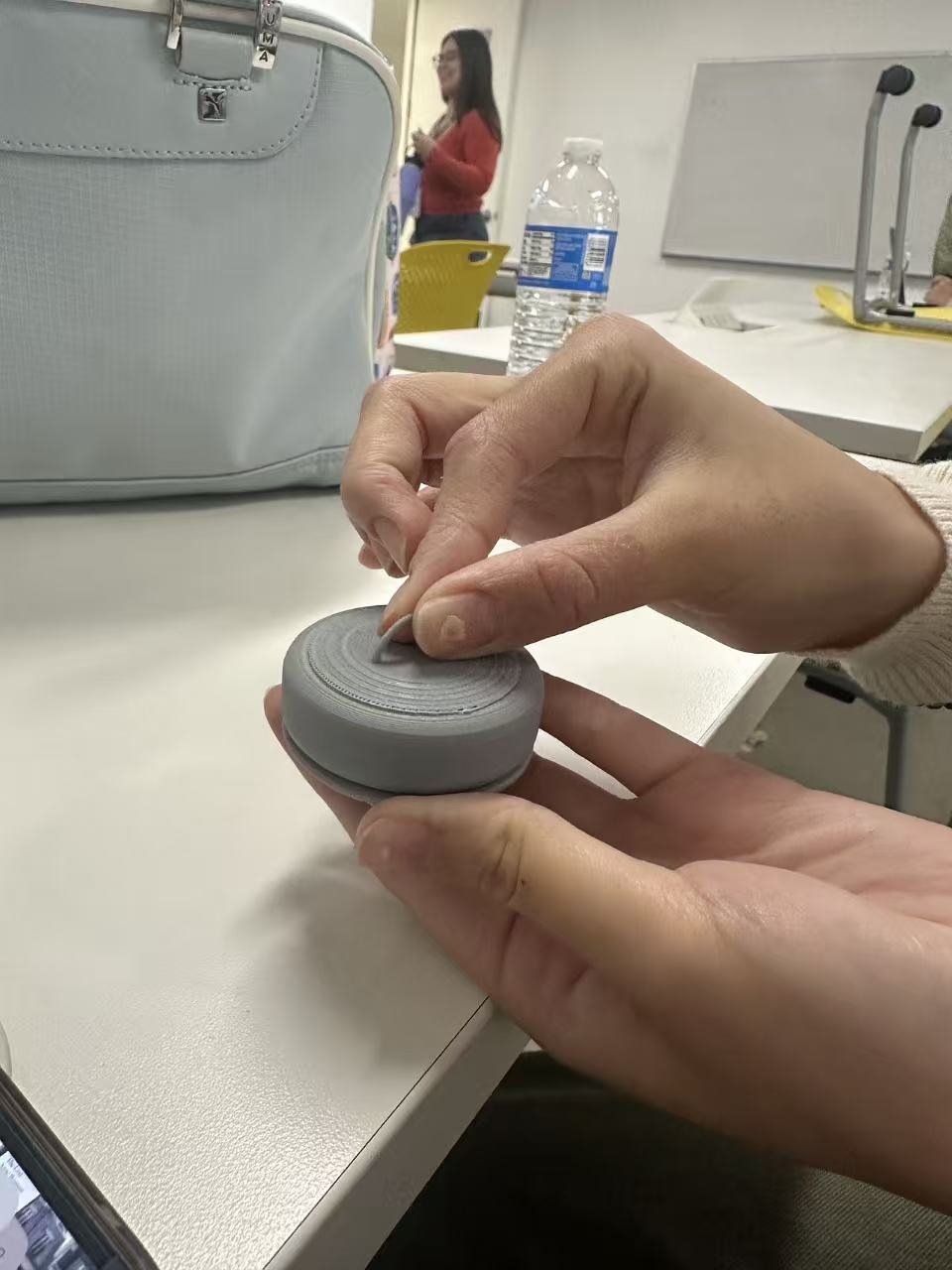
Testing / Refinement
Prototypes and testing helped clarify how the interaction should work. Each round pushed the design toward a simpler, more integrated solution.
Traditional Kit
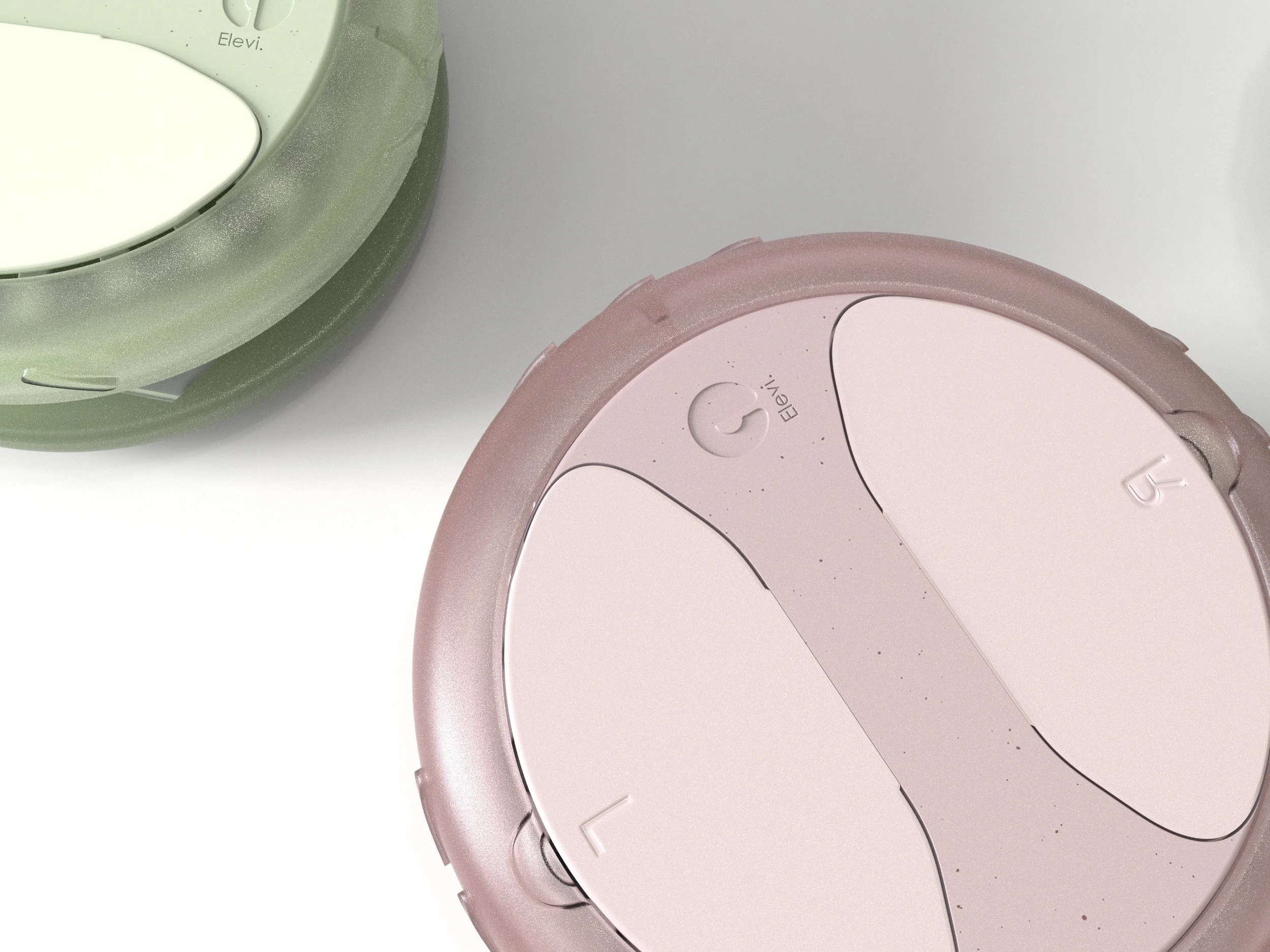
Redesigned System
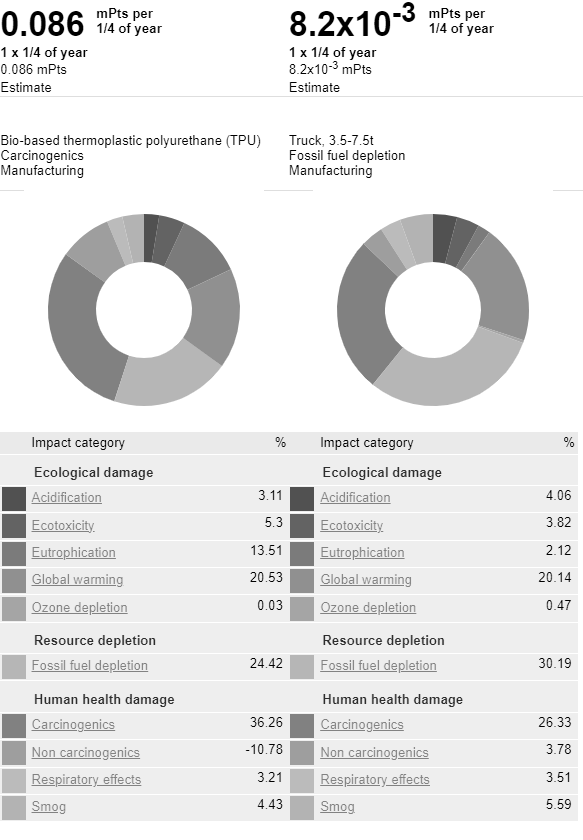
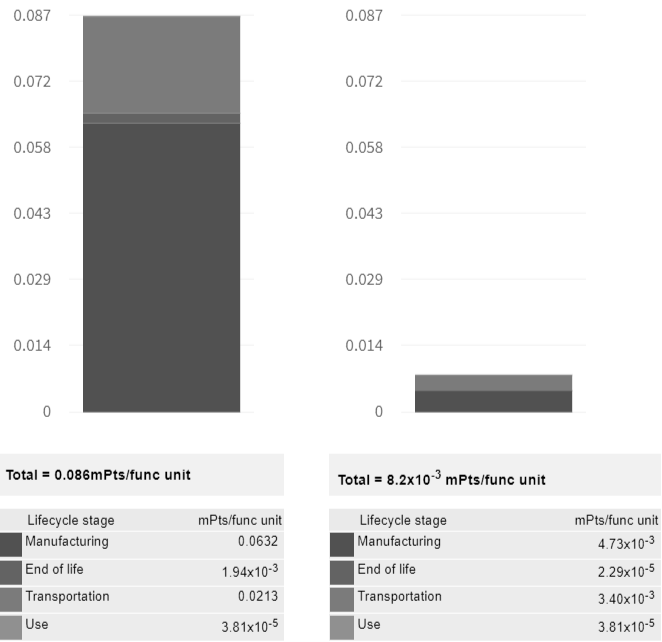
90% reduction in environmental impact